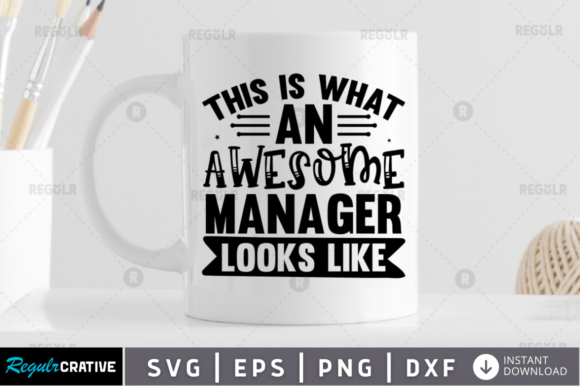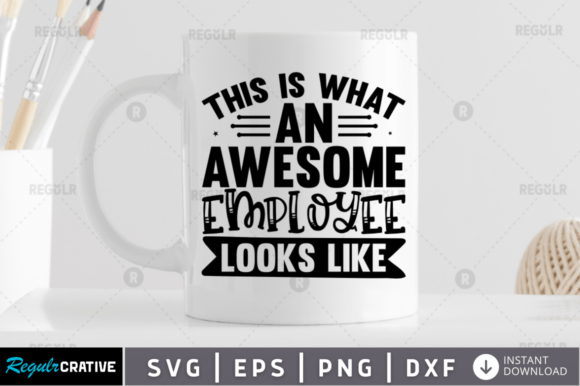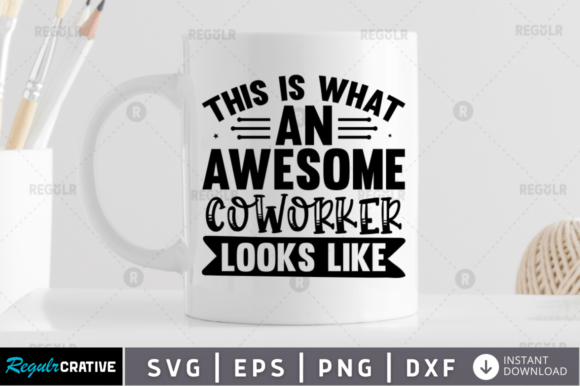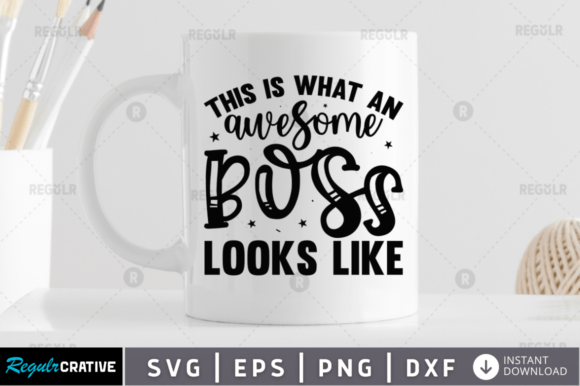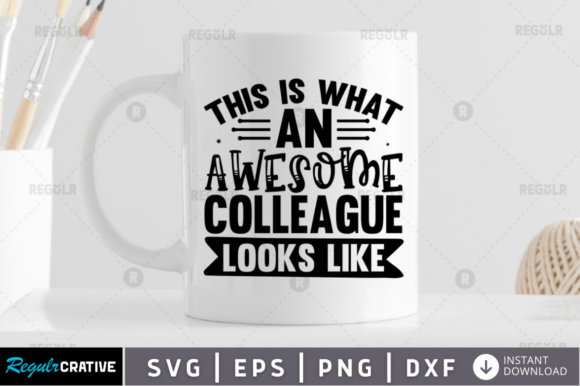
This is What an Awesome Colleague SVG
When I first opened the embroidery file for this design, I was struck by how directly it speaks to a real human moment. We have all worked with that one person who makes the job lighter, and this machine embroidery design captures that sentiment without pretense. As someone who has digitized and stitched hundreds of graphics for custom apparel and handmade products, I can tell you that the best designs are the ones that feel like they already belong on the finished product. This is What an Awesome Colleague SVG has that quality. It reads as a genuine compliment, not a generic slogan, which matters enormously when you are building a craft business around personalized gifts or boutique merchandise.
The layout is clean and approachable. The lettering carries a friendly hand-drawn feel without becoming fussy, and the overall shape sits comfortably in a medium hoop size. There is no excessive ornamentation, which tells me the design was created with real stitching in mind. Whether you plan to use it on a sweatshirt embroidery project, a tote bag design, or an embroidered patch for a gift exchange, the visual personality lands right where it should—warm, professional, and easy to read from across a room. For a designer evaluating digital embroidery files, that first impression is everything.
How the Design Performs Across Real Embroidery Projects
I tested this design on several fabric types before committing to a final product, and I want to share what I found. On medium-weight cotton and cotton-poly blends, the satin stitch edges held crisp and the fill stitch areas stayed smooth without puckering. The running stitch accents, which add a subtle hand-lettered texture, translated beautifully on a lined tote bag. I also ran a version on a cozy sweatshirt fabric, and the design retained its clarity even through the fleece backing, as long as I used a medium-weight cutaway stabilizer. If you are an Etsy seller or a small shop owner stocking handmade products, this design gives you reliable results across a solid range of apparel and accessories.
For commercial embroidery work, the design scales nicely without losing its character. I tested it at several sizes within a moderate hoop range, and the lettering held together at smaller dimensions as long as the stitch density was adjusted. The design is also well suited for an embroidered patch project. I stitched it on twill and appliquéd it onto a canvas apron, and the edges sealed cleanly with a satin stitch border. This kind of versatility makes it a strong addition to any digital product catalog or craft fair inventory. Customers who see a finished piece like this immediately recognize the value of a well-digitized machine embroidery design.
Where to Use This Design Thoughtfully
While this embroidery file performs beautifully on straightforward fabrics, there are a few situations where I recommend extra care. On very lightweight or stretchy materials, such as thin jersey knit or delicate baby clothes, the stitch density may cause some distortion if you do not use a appropriate stabilizer. I always suggest testing a small sample on scrap fabric before stitching the final baby embroidery project, especially if you are using a small hoop size. The design contains enough detail that a loose tension or unstable fabric can blur the edges of the lettering.
Curved surfaces like caps and curved brims also require attention. The design shape is linear enough to sit well on a cap front, but you will want to hoop with a firm backing and check that the corners do not pull during stitching. For dark fabrics, the thread color contrast becomes critical. A light or bright thread will make this design pop, while a dark thread on a dark ground can cause the sentiment to disappear. I always recommend previewing the design in a black and white mockup before stitching, just to confirm that the visual weight lands as intended.
If you are creating products that will face frequent washing, like tea towels, kitchen aprons, or pillow covers, consider using a polyester thread and a no-show mesh stabilizer. The design holds up well under regular laundering, but the stitch density means that aggressive washing can eventually loosen the tension. A little preventive care goes a long way in maintaining the handmade presentation that your customers trust.
Visual Appeal and Product Value for Your Craft Business
One of the strongest qualities of this design is how it elevates the perceived value of a finished product. When I stitched it onto a simple kraft apron and offered it as a gift for a coworker, the reaction was immediate. People notice the quality of the lettering, the smooth stitching, and the fact that it looks like a boutique item, not a mass-produced decal. For an Etsy seller or a creative entrepreneur building a brand around personalized gifts, that reaction translates directly into customer trust and repeat sales. The design works just as well on a coffee mug SVG bundle concept as it does on embroidered apparel, and that crossover appeal is rare.
The mood of the design is genuinely uplifting without being saccharine. That balance is important for commercial embroidery because it allows you to market the finished piece to a wide audience—office gifts, teacher appreciation, team building events, or simply a thoughtful gesture for a friend. I have seen too many designs that try too hard to be funny or clever and end up feeling forced. This one lands naturally, and that makes it easier to photograph, list, and sell in your online shop or at a craft fair.
Practical Designer Notes Before You Stitch
Before you load this machine embroidery design into your machine, I recommend a few steps that will save you time and materials. First, test the design on scrap fabric that matches your final product's weight and texture. This gives you a chance to check the stitch density, adjust thread tension, and confirm hoop size compatibility. Second, review the design in a black and white mockup to see how the lettering reads without color distraction. This is especially helpful if you are planning to use a multicolor thread palette or a specialty thread like metallic or variegated.
Third, confirm the licensing terms before you start selling finished products or digital products. While this design description indicates it can be used for various purposes, you should always verify whether commercial use is allowed under the specific license provided by the seller. This is a standard step for any craft business owner who wants to avoid legal surprises down the road. If you plan to sell embroidered patches, custom apparel, or printable mockups featuring this design, make sure the license covers that use case.
Fourth, consider the fabric texture. Smooth cottons, twill, and denim will show the satin stitch at its best. Heavily textured fabrics like linen or bouclé can obscure fine details, so you may need to adjust the stitch density or choose a simpler layout. The design works well on most medium-weight fabrics, but I always err on the side of testing before committing to a production run.
Final Thoughts on This Design for Your Next Project
This is What an Awesome Colleague SVG has earned a spot in my active embroidery file library. It is the kind of design that delivers on its promise without requiring constant troubleshooting. For small business owners, Etsy sellers, and handmade shop owners who want to offer a product that feels both personal and professional, this design is a solid choice. It works on t-shirts, mugs, signs, cards, and much more, as the description notes, and it fits naturally into a coffee mug SVG bundle or a standalone embroidered gift.
Whether you are stitching a single tote bag for a coworker or producing a small batch of embroidered patches for a craft fair, this design holds up under real use. It respects your time as a maker, communicates clearly to the person receiving it, and adds value to your finished product. That is the kind of design asset that keeps a craft business moving forward.