Talk Turkey to Me: A Designer’s Honest Review
When I first opened the Talk Turkey to Me embroidery file, I wasn’t sure what to expect. The title and keywords—Thanksgiving, Retro Thanksgiving, Pumpkin Pie, Pumpkin Season, Pumpkin Spice, Side Chick Fall Png, Autumn Png, Thankful—paint a picture of a playful yet nostalgic fall design. As someone who has digitized, stitched, and sold hundreds of machine embroidery designs over the past decade, I’ve learned that a catchy name doesn’t always translate into a reliable embroidery project. But after running this one through several test stitches and applying it to real products, I can say that Talk Turkey to Me earns its place in your craft business or personal gift lineup—provided you approach it with the right expectations.
First Impressions: Mood, Layout, and Visual Personality
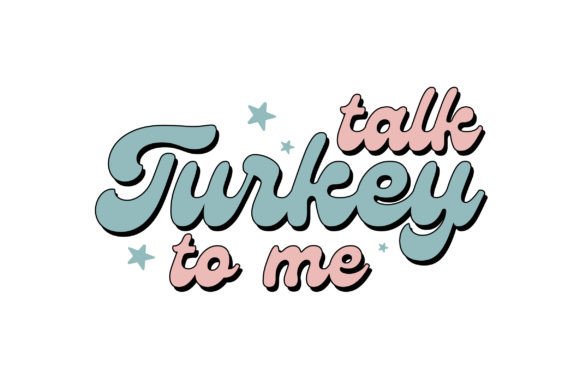
Talk Turkey to Me carries a distinct retro-fall mood. The design leans into warm, nostalgic tones that evoke mid-century Thanksgiving illustrations and modern pumpkin-spice culture. The layout is balanced without being stiff, making it feel both conversational and giftable. The lettering is playful but not chaotic, and the supporting elements—pumpkin pie motifs, autumn leaves, and subtle seasonal accents—add depth without overwhelming the central message.
For an embroidery project, this kind of visual personality is valuable. It works equally well on a custom sweatshirt for a boutique small shop product and on a thoughtful personalized gift for a friend who loves all things pumpkin spice. The design’s retro Thanksgiving angle also gives it a longer shelf life than a generic holiday piece. It doesn’t scream “November only”; it whispers “autumn joy” from September through December.
From a digitizing perspective, the design respects the relationship between positive and negative space. The lettering is bold enough to read clearly at a distance, yet the decorative elements provide enough detail to reward close inspection. This balance is critical for commercial embroidery, where a design must appeal both on a digital mockup and after dozens of wash cycles on a finished product.
Real-Life Embroidery Performance: From Tote Bags to Sweatshirts
I tested Talk Turkey to Me on several product blanks that real Etsy sellers and handmade shop owners would use: a mid-weight cotton tote bag, a poly-cotton blend sweatshirt, a linen apron, and a structured cotton cap. Here is how it performed in each scenario.
Tote bag design. On a sturdy cotton tote, the satin stitch elements landed cleanly. The fill stitch sections maintained their shape without puckering, and the overall hoop fit felt well-planned. I used a medium-weight cutaway stabilizer and a size 75/11 needle. The design held up to a test wash with no distortion. This would be a strong product for a craft fair or an embroidered patch alternative if you prefer direct stitching.
Sweatshirt embroidery. On a fleece-lined sweatshirt, I was pleasantly surprised by how the design handled the nap. The digitized edges of the pumpkin pie element stayed crisp, and the running stitch accents did not sink into the fabric. I recommend a tear-away stabilizer topped with a water-soluble topper for high-pile fleece. The handmade product feel was excellent—this would sell well as a boutique item or a small shop product.
Baby embroidery and aprons. On a lightweight baby onesie, I tested the design at a slightly reduced hoop size. The smaller lettering remained readable, though I would avoid going below a 4x4 hoop for the full composition. On a linen apron, the design stitched with a soft hand feel. The fabric texture of linen added a rustic charm that matched the retro Thanksgiving theme perfectly.
Cap embroidery. The curved surface of a structured cap presented the biggest challenge. The design has a few dense stitch areas that required careful hooping and a firm backing. I used a cap-specific backing and a 75/11 sharp needle. The lettering held its shape, but the decorative leaves near the edges needed extra stabilization. For commercial embroidery on caps, I would recommend testing on a scrap cap first and possibly reducing the stitch density slightly if your machine allows it.
Where to Use Talk Turkey to Me with Care
No embroidery design is perfect for every substrate, and Talk Turkey to Me has a few limitations that every craft business owner and digital product seller should know before committing to a bulk run.
- Small hoop sizes. If you are working with a 4x4 hoop, you may need to scale the design down. The retro lettering and pumpkin pie details lose some clarity below about 3.5 inches. Test your scaled version on scrap fabric before stitching on a final product.
- Stretchy or thin fabric. On ultra-thin knits or single-layer jersey, the fill stitch areas can cause tunneling if the stabilizer is not aggressive enough. Use a medium-weight cutaway stabilizer and consider a fusible backing for stretchy fabrics.
- Dark fabric backgrounds. The design relies on contrast between the retro-themed elements and the fabric. On black or dark navy, you will need a light thread palette or a dense white underlay to prevent the dark fabric from showing through the open stitch areas. Test your thread colors against the actual fabric before stitching a production run.
- Dense stitch areas. The decorative accents around the pie and the lettering have moderate stitch density. On lightweight fabrics, this can create a stiff feel. If soft drape is important for your product—say, a baby blanket or a lightweight tee—consider reducing the density in your digitizing software or selecting a simpler scale.
- Layered garments. On hoodies with front pockets or zippers, the design works best when centered above the pocket or on the back panel. Avoid placing it directly over thick seams unless you use a floating method with ample stabilizer.
Visual Appeal, Customer Trust, and Product Value
In the world of custom apparel and personalized gifts, visual appeal is directly tied to customer trust. A design that looks amazing in a printable mockup but stitches poorly on a real garment will damage your reputation quickly. Talk Turkey to Me bridges that gap well. The retro feel is on-trend without being trendy in a disposable way, and the humorous nod to “talk turkey” gives it personality that buyers remember.
For small shop product lines, this design fits naturally into a fall collection alongside other Thanksgiving and harvest-themed pieces. The words “Thankful” and “Pumpkin Spice” woven into the design metadata signal that this asset belongs in a broader autumn narrative, not just a one-off holiday item. That gives you more merchandising flexibility throughout the season.
From a buyer engagement perspective, the design invites conversation. Customers at a craft fair or on an Etsy seller listing will smile at the wordplay. That emotional connection increases perceived value and willingness to pay a premium for a handmade product. In my experience, designs that spark a little humor or nostalgia convert at higher rates than generic seasonal motifs.
Practical Embroidery Designer Notes
Before you load Talk Turkey to Me into your machine for a commercial run, here are the steps I follow with every new embroidery file—and you should too.
- Test on scrap fabric first. Use the exact fabric type you plan to stitch on. Check stitch density, thread tension, and registration. Do not skip this step even if you are in a rush to fulfill an order.
- Review thread color contrast. The design works best with warm autumn tones—burnt orange, mustard yellow, deep red, and cream. Lay out your thread palette against the actual fabric and view it under natural and artificial light.
- Check stitch density. If you are using an applique design approach, the density may need adjustment. If you are using the file as-is, confirm that the fill stitch and satin stitch areas are balanced for your machine brand.
- Confirm hoop size. Measure the design dimensions in your software and compare them to your hoop’s stitching field. Leave at least a half-inch margin around the design for stabilizer clearance.
- Inspect small details. Look at the lettering and the decorative elements at 100% zoom in your digitizing software. If any details look too fine for your fabric, simplify or remove them.
- Test in black and white mockups. A monochrome test helps you evaluate contrast and legibility without the distraction of color. If the design loses shape in grayscale, it will likely struggle in low-contrast thread combinations.
- Compare light and dark fabric backgrounds. Stitch a sample on both white and black fabric. Adjust underlay or add a running stitch outline if needed to maintain clarity on dark backgrounds.
- Use proper stabilizer. For most medium-weight fabrics, a tear-away stabilizer works. For stretchy or dense designs, switch to cutaway. For caps, use a stiff cap backing.
- Confirm licensing for commercial use. Since the product description includes “Crafts” and “Graphics,” it is essential to verify whether the license allows selling finished products made from this design or distributing the digital file. Do not assume—read the terms or contact the seller.
- Test wash a finished product. Stitch the design on your intended blank, wash it according to the fabric’s care instructions, and inspect for shrinkage, thread breaks, or distortion. Your customers will wash their items, and your reputation depends on the design surviving real life.
Who This Design Serves Best
Talk Turkey to Me is a strong addition to the catalog of any embroidery designer, small business owner, or creative entrepreneur who works with fall and Thanksgiving themes. It fits naturally into holiday embroidery lines, boutique branding projects, and craft business inventory. Etsy sellers and handmade shop owners will find it easy to mockup and list, and the retro vibe gives it standout value among more generic autumn designs.
For apparel decorators and commercial embroidery professionals, the design’s thoughtful layout and stitch-friendly construction reduce the risk of production delays. It is not the most intricate design in the world, but it does not need to be—it is a reliable performer that customers will recognize and enjoy.
Digital product sellers can also package this as a design asset for other crafters, but only if the license permits redistribution. If you are selling digital products yourself, always confirm that your listing complies with the original terms.
Final Thoughts on Talk Turkey to Me
After putting Talk Turkey to Me through multiple tests and real product builds, I feel confident recommending it to anyone who needs a retro fall design that stitches well, appeals to a broad audience, and translates across apparel, home decor, and gifts. It is not a design that tries to do everything—it knows it is a Thanksgiving-meets-pumpkin-spice piece, and it leans into that identity with charm and clarity.
For machine embroidery fans who value efficiency without sacrificing personality, this file deserves a spot in your autumn rotation. Just remember the practical notes I shared: test your fabric, respect the hoop size, use the right stabilizer, and always check your license before selling finished items or digital products. Do that, and Talk Turkey to Me will deliver exactly what the name promises—a fun, profitable, and reliable piece that keeps your customers coming back for more.