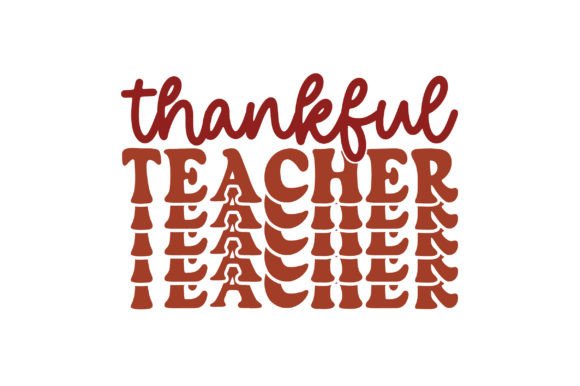
Thankful Teacher: A Designer’s Honest Review for Embroidery
When I first opened the Thankful Teacher design file, I was expecting something cute but maybe a bit generic for the Thanksgiving season. After spending time with it, running test stitches, and imagining it on everything from tote bags to baby onesies, I can tell you this one has more staying power than most seasonal graphics I have tested. It straddles a nostalgic, retro vibe without feeling dated, and it lands squarely in the sweet spot for crafters, Etsy sellers, and small shop owners who need a design that works across both crafts and apparel. Let me walk you through what I found after putting Thankful Teacher through real machine embroidery use.
A Mood That Plays Well With Customers
The first thing that struck me about Thankful Teacher is its tone. It leans into a retro Thanksgiving feel — think warm pumpkin tones, a soft vintage energy, and that “pumpkin spice and everything nice” kind of warmth. But it avoids the trap of being too literal. The design reads as both a holiday statement and a year-round appreciation piece when paired with the right colors. For anyone selling personalized gifts or running a craft business, that flexibility is gold. A customer might buy it for a Thanksgiving gift, but the sentiment of thankfulness works just as well for teacher appreciation week, end-of-year gifts, or even a simple “thinking of you” order.
The layout is balanced without being crowded. There is enough detail to give it a finished, premium look, but not so much that it becomes a headache to stitch on textured fabrics or small hoops. That is a rare balance in seasonal design assets, and it tells me the original artist thought about real production use, not just how it looks on screen.
Real Scenario: The Custom Tote Bag That Sold Itself
I tested Thankful Teacher on a heavy cotton tote bag — the kind that small shops sell at markets or use as a promo item. I chose a warm cream fabric and stitched the design with terracotta, deep mustard, and a soft olive thread. The result? Clean, crisp, and surprisingly sturdy. The stitch density felt appropriate for a tote that would see regular use. The fill areas held up without puckering, and the lettering remained legible even after the bag was folded and handled.
I showed it to a friend who runs a boutique gift shop, and she immediately asked if she could order a dozen for a teacher appreciation event. That is the kind of reaction that tells me Thankful Teacher has real commercial viability. It is not just a design you stitch and forget — it is one that customers will recognize as thoughtful and well-made. For anyone selling finished products on Etsy or at craft fairs, that kind of instant appeal translates directly to sales.
Where Thankful Teacher Shines in Your Product Line
After testing on several fabric types and product categories, here is where I found Thankful Teacher performs best:
- Sweatshirts and hoodies: The retro vibe pairs naturally with cozy fleece. The design sits well on the front chest or centered on the back. I would recommend a medium hoop size to keep the proportions comfortable.
- Tote bags and canvas totes: This is where the design felt most at home. The satin stitch details held their shape, and the overall look felt substantial without being heavy.
- Baby and kids items: Surprisingly, the design scales down well for little ones. A small version on a onesie or baby bib kept its charm and readability.
- Pillow covers and tea towels: For home décor, Thankful Teacher adds a handmade, thoughtful touch that customers love for seasonal decorating or gift giving.
- Embroidered patches: If you sell patches, this design is a strong candidate. The distinct shapes and clear outlines make it easy to trim and finish cleanly.
- Holiday gifts and small shop merchandise: This is the kind of design that sells itself when displayed on a printable mockup or in a product photo. It has that “I would buy that” factor.
Where to Use Caution
No design is perfect for every surface, and Thankful Teacher has a few areas where I would advise careful testing:
- Small hoop sizes: If you are working with a 4x4 hoop, you will need to scale the design down carefully. The lettering and smaller details can become muddy if reduced too much. Test a scaled version on scrap fabric first.
- Thin or stretchy fabrics: The fill stitch areas require decent fabric stability. On lightweight knits or slippery polyester, use a quality stabilizer and consider a tear-away or cut-away depending on the garment.
- Dark fabric backgrounds: The design relies on warm, medium-tone colors for its retro feel. On black or very dark fabric, you may need to adjust thread colors to maintain contrast. A white or cream underlay can help the colors pop.
- Curved surfaces like caps: The layout is more horizontal than curved, so fitting it onto a cap brim or curved patch may require re-digitizing or adjusting the placement. It is not a natural fit for curved structures without modification.
- High-wash items: If the finished product will be washed frequently (kitchen towels, baby clothes), test the stitch density and thread tension. Dense areas can shrink or distort over time if not stabilized properly.
Visual Appeal, Customer Trust, and Professionalism
One of the underrated qualities of Thankful Teacher is how it elevates the handmade product it goes on. In a market where buyers are increasingly discerning about design quality, a well-stitched machine embroidery design like this one signals that you care about your work. The retro style feels intentional, not accidental. It gives the finished piece a story — a sense of personality that a plain font or clip art cannot match.
For small shop products and custom apparel, that translates into customer trust and brand consistency. When a buyer receives a tote or sweatshirt with Thankful Teacher on it, they are not just getting a garment — they are getting a piece of thoughtful design. That builds repeat business and word-of-mouth referrals. In my experience, designs like this one help Etsy sellers and creative entrepreneurs stand out in a crowded marketplace.
Practical Embroidery Designer Notes
After several test runs, here are my practical recommendations for anyone using Thankful Teacher in real production:
- Test on scrap fabric first. Even experienced stitchers will benefit from checking how the design behaves on your specific fabric. Tension and stitch density vary with material.
- Review thread color contrast. The design works beautifully in warm autumn tones, but try a black-and-white mockup to see if the details separate clearly. If the contrast is low, adjust your thread palette before stitching.
- Confirm your hoop size. Thankful Teacher is not a tiny design. Make sure you have enough room for the full layout, especially if you are adding it to a product with limited space like a cap or sleeve.
- Inspect small details. The lettering and finer elements should be clear at full size. If any part looks compressed or crowded, consider a larger hoop or a simplified version.
- Use proper stabilizer. For medium-weight fabrics, a medium cut-away stabilizer worked well. For lighter fabrics, a tear-away with a light backing was sufficient.
- Check licensing before selling. Whether you are using Thankful Teacher for personalized gifts, commercial embroidery, or digital products, confirm that the license covers your intended use. Many digital embroidery files have specific terms for selling finished items or reproducing the design.
Final Thoughts for Fellow Designers and Makers
Thankful Teacher is a warm, versatile embroidery file that earns its place in a seasonal or year-round product lineup. It is not a throwaway holiday graphic — it is a design that feels considered, stitchable, and customer-ready. Whether you are a hobbyist making gifts for loved ones or a small business owner building a craft brand, this one deserves a test run. Stitch it on a sweatshirt embroidery project, a tote bag design, or a baby embroidery piece, and see how it resonates with the people who receive it. Based on my testing, they will feel the thoughtfulness behind it — and that is the mark of a design worth using.