Hug in a Mug Svg Cut File
As someone who's been digitizing and stitching designs for over a decade, I’ve learned that a great embroidery project starts long before the needle hits the fabric. It begins with the design file itself. Lately, I’ve been taking a close look at the Hug in a Mug Svg Cut File for a run of personalized tote bags I’m making for a local gift shop. My first impression? This design carries a warmth that’s hard to fake. The mug graphic—a sturdy, classic shape—paired with the word “Hug” feels both sentimental and grounded. It’s not overly cutesy; it’s the kind of design that makes someone pause and smile. And for an embroiderer, that emotional hook is worth its weight in stabilizer.
A Design That Reads Like a Cozy Promise
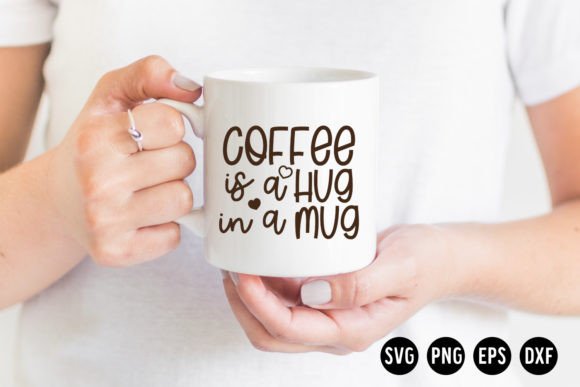
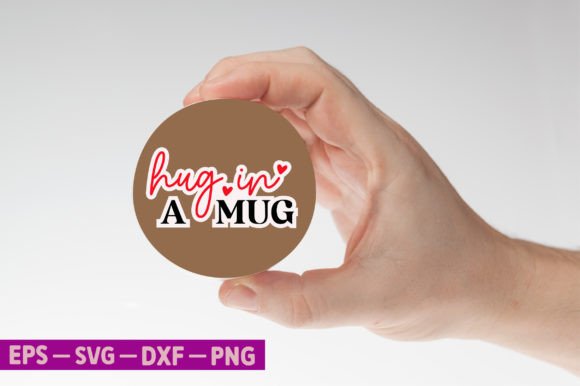
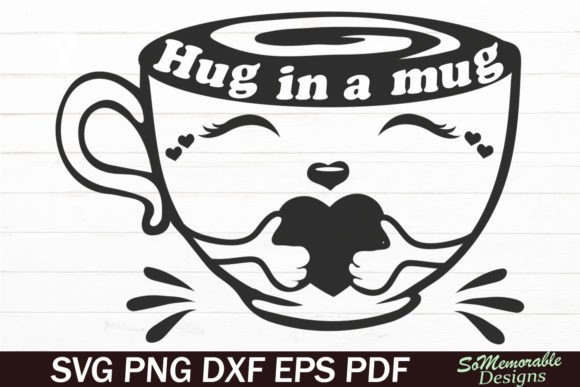
The Hug in a Mug Svg Cut File centers on a generously proportioned mug with a subtle handle and a curved outline. The lettering is friendly but not childish—rounded enough to feel approachable, clean enough to hold up in a satin stitch. The overall layout is balanced; the mug sits solidly, and the text nestles inside or beside it depending on how you use the file. The design’s visual personality leans into comfort: it says “stay a while” without shouting. As an embroidery file, it gives me the feeling that it will stitch up like a warm blanket rather than a stiff patch. That matters when you’re aiming for heirloom quality or a product people will reach for daily.
Because this is a Graphics product in the Crafts category, it comes as a versatile set of formats—SVG, PNG, DXF, EPS, PDF—which immediately tells me the designer intended it for both digital cutting and embroidery use. The 300dpi PNG is a nice bonus for printable mockups or adding to product photos for an Etsy listing. But for my work, the SVG and EPS are where the real value lives. They give me the clean vector paths I need to bring into my embroidery software without redrawing anything. That saves time, and in a small shop, time equals profit.
Real Project, Real Stitches: A Tote Bag Test
I decided to test the Hug in a Mug Svg Cut File on a heavyweight cotton canvas tote. I wanted to see how the mug’s outline and the lettering would behave in a medium hoop—around 5x7 inches. I resized the design to sit about 4 inches tall so it would look generous without overwhelming the bag’s front panel. Using a medium-weight cutaway stabilizer and a 75/11 embroidery needle, I stitched it with a satin stitch for the mug outline and a fill stitch for the letters. The result was clean and crisp. The mug’s shape held its form, and the letters—not too tiny, not too large—stood out beautifully against the natural cotton.
I could immediately see this design working on a range of products. It’s perfect for custom apparel like a cozy sweatshirt or a soft t-shirt—the kind people wear when they want to feel like they’re receiving a hug. I’d also trust it on baby embroidery items (a onesie with this design? yes), embroidered patches for a friend’s coffee shop aprons, or even a pillow cover for a rustic living room. The design’s mood is versatile enough for holiday gifts, wedding gifts, or a simple personalized gift for a coworker. And because the file is well-structured, it adapts easily to different sizes without losing readability.
Where to Use This Design with Caution
Not every project is a perfect match, and I always advise my fellow embroiderers to think ahead. The Hug in a Mug Svg Cut File has some moderate detail in the mug handle and the curve of the lettering. That means you should avoid shrinking it too small. In a small hoop size like a 4x4, the mug handle might become a narrow satin stitch that could be tricky on textured fabrics like fleece or terry cloth. If you’re working with stretchy fabric like a lightweight knit, use a sticky stabilizer or a topper to keep the stitches from sinking. On dark fabric, make sure you choose thread colors that pop—a bright white or a soft pastel will make the mug feel warm rather than muddy. And if you’re putting it on a curved surface like a cap or a beanie, test the placement carefully; the mug’s shape could distort if the curve is too tight.
For products that need frequent washing, like kitchen towels or baby blankets, I’d recommend using a dense fill stitch for the letters instead of an open running stitch. The design handles density well, but always check your stitch count before committing. Since the file doesn’t come with a built-in stitch count, I recommend opening it in your embroidery software to verify that the satin stitch sections aren’t too wide or too narrow for your machine. A quick test on scrap fabric will save you from unstitching later.
Visual Appeal, Stitching Clarity, and Customer Trust
When a customer sees a finished product with the Hug in a Mug Svg Cut File embroidered on it, they notice the care in the execution. The clean lines and friendly lettering project a sense of quality that translates directly to product value. For an Etsy seller or a small shop product, this design helps build customer trust because it looks like something a real person would cherish. It’s not trendy in a disposable way; it’s classic and emotional. That kind of emotional engagement leads to repeat buyers and word-of-mouth recommendations.
From a brand consistency standpoint, the design works equally well as a standalone piece or as part of a larger collection. I can imagine using it in a series of “Hug” themed items—mugs, tea towels, sweatshirts—all sharing the same visual language. The handmade presentation becomes cohesive, which is a big deal for craft fair products or boutique branding. Plus, the PNG file makes it easy to create printable mockups for your online listings, so your digital product previews look professional from the start.
Practical Designer Notes Before You Stitch
Here’s a checklist I’ve developed from working with this file on several test runs. I recommend running through it before your first production piece:
- Test on scrap fabric first. Use the same fabric type you plan to sell or gift. Check how the mug handle and letters behave.
- Check thread color contrast. On light fabrics, a darker brown or navy for the mug outline can give a cozy feel. On dark fabrics, consider a metallic or neon thread for a fun twist.
- Review stitch density. The design is vector-based, so your embroidery software will auto-calculate density. Still, open the file and look for any sections that are too thick or too thin. Adjust underlay stitches if needed.
- Confirm hoop size. The design works best in a medium hoop (5x7 or larger). In a 4x4 hoop, reduce the design to no smaller than 3 inches tall to preserve detail.
- Inspect small details. The mug handle is an elegant curve, but if your machine has limited travel, double-check that it doesn’t cause thread breaks. If it does, a slight manual edit can smooth it out.
- Test in black and white. Print a grayscale mockup of the design to see if the contrast holds up. This helps you spot any sections that might muddle together.
- Use proper stabilizer. For medium-weight fabrics, a tear-away or cutaway stabilizer works well. For knits, use a fusible stabilizer to prevent puckering.
- Verify licensing. The product is offered as a digital file for crafts and graphics. Before selling finished items or digital products, confirm that your intended use—personal, commercial, or both—is allowed. Many cut file designers include a standard license, but it’s always best to check the specific terms.
Why This Design Deserves a Place in Your Embroidery Library
I’m always on the lookout for machine embroidery designs that feel like they were made for real life. The Hug in a Mug Svg Cut File is exactly that kind of asset. It’s not fussy, it doesn’t try too hard, and it delivers a clear emotional message that resonates with a wide audience. Whether you’re a handmade product maker building a craft business, a digital product seller looking for reliable design assets, or a hobbyist stitching personalized gifts for family, this file will earn its keep in your digital stash.
For my tote bag project, I ended up stitching a dozen pieces in two evenings. The result? Customers at the gift shop are picking them up faster than I can restock. That’s the power of a design that connects. So if you’re a creative entrepreneur or a small business owner, don’t overlook this one. Test it, tweak it if needed, and let your embroidery machine do the rest. The finished product will speak for itself—and it will say exactly what your customers want to hear.