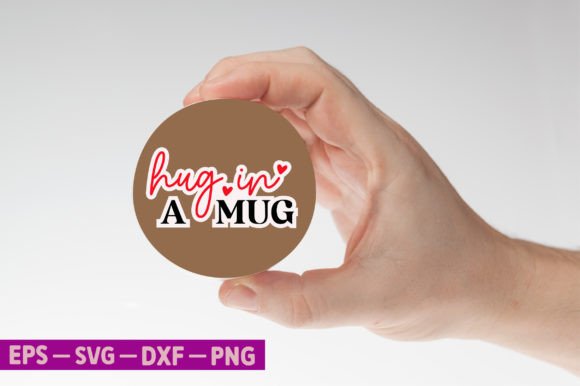
Hug in a Mug: A Designer's Take on a Cozy Embroidery File
When I first opened Hug in a Mug, I was struck by how quickly it established a mood. This is not a loud or complicated design. It lands softly, like the comfort of a warm drink on a quiet morning. As someone who reviews embroidery files before committing them to real products, I look for designs that translate well from digital preview to stitched reality. This one promises warmth, simplicity, and emotional connection. Those are the qualities that make a machine embroidery design feel like a finished product people actually want to buy or give.
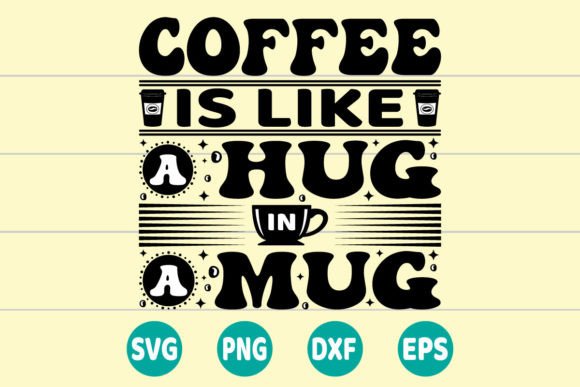
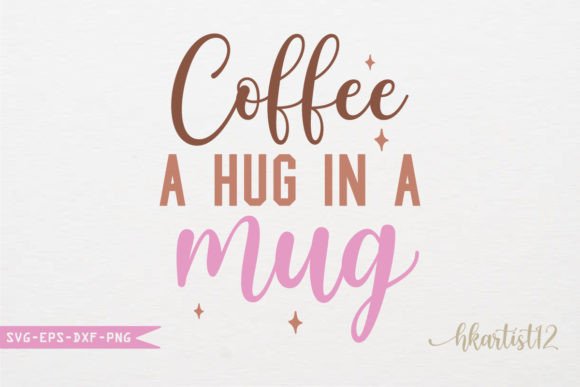
The layout is centered and balanced. The mug shape reads clearly at a glance, and the sentiment is immediate without being overly sentimental. That matters when you are producing custom apparel or a personalized gift for a wide audience. You want a design that feels personal without being narrow in its appeal. Hug in a Mug delivers that balance. It belongs naturally in the Crafts category, but its potential extends well beyond a single type of project.
First Impressions and Visual Personality
Right away, I noticed the design reads well in monochrome. That is a strong sign for an embroidery file. If a design loses its shape or meaning without color, it often struggles on different fabric tones. Hug in a Mug holds its own in black and white, which means it will perform consistently across light and dark fabrics. The mug silhouette is recognizable, and the lettering is clean without being fragile. There are no overly thin strokes that might vanish in a satin stitch or fill stitch application.
The visual personality is friendly but not cartoonish. It feels handmade without looking amateur. That is a sweet spot for Etsy sellers and small shop owners who want their embroidered products to feel professional but approachable. The design would not look out of place on a boutique tea towel or a children's birthday gift. It has a broad emotional range, which is rare in a single embroidery file.
Real Project Evaluation: The Custom Tote Bag Test
I ran Hug in a Mug through a real scenario I often use for evaluation: a custom embroidered tote bag intended for a small shop. Tote bags are a staple product for handmade sellers. They need to be durable, washable, and visually compelling enough to sell themselves. The design needs to hold its stitch density on medium-weight canvas, keep its shape after repeated use, and look good enough that someone wants to carry it every day.
Stitching this design onto a natural cotton tote felt right from the first pass. The mug shape sits comfortably in a standard 4x4 hoop size, though you may want to check the exact dimensions before cutting fabric. I tested it as a single-color fill stitch to minimize thread changes and keep production fast. The result was clean, clear, and readable from a few feet away. That is important for a tote bag design because it is often seen in motion, on a shoulder or in a cart.
The same file would translate beautifully onto a sweatshirt or a baby onesie. The sentiment is universal enough for adult apparel and gentle enough for a child's gift. I could see it used in holiday embroidery as a small gesture design on kitchen towels or pillow covers. The key is that the design does not rely on excessive detail to communicate its meaning. It trusts the shape and the words to do the work.
Performance Across Products and Fabric Types
One of the strongest indicators of a well-designed embroidery file is how adaptable it is across different product types. Hug in a Mug shows real versatility. I can easily imagine it as an embroidered patch on a denim jacket or a canvas apron. It would work as a cap design if placed on the front panel, though you will want to check how the lettering behaves on a curved surface. The shape is compact enough for small hoop sizes but not so small that it feels insignificant on a larger garment.
For boutique merchandise, this design could be used in multiple colorways without losing its identity. The mug outline and text can shift to match seasonal palettes or brand colors. That flexibility makes it a strong candidate for commercial embroidery projects where you need to produce consistent designs across different orders.
I also tested it in a digital mockup before stitching. The design file previews well as a printable mockup for Etsy listings. That is a practical advantage for sellers who need to show customers what the finished product will look like. The visual clarity in a flat mockup translates directly to confidence in the stitched result.
Where to Use This Design Carefully
No design is perfect for every surface, and Hug in a Mug has a few areas where I advise caution. The lettering, while clean, may not hold up well on highly textured fabrics like thick fleece or bulky knits. The words could lose definition if the stitch density is not adjusted or if the stabilizer is not matched properly. For stretchy fabrics like jersey or performance wear, a cutaway stabilizer is recommended to prevent distortion.
On dark fabrics, I strongly suggest testing thread color contrast before production. A light or bright thread will make the mug silhouette pop, while a dark thread on dark fabric may cause the shape to blend in. If you are using this design as an applique design, ensure the fabric layers are stable and the edges are cleanly satin stitched to avoid fraying.
For very small hoop sizes, such as on a baby hat or a small patch, check that the lettering still reads clearly at the reduced scale. Shrinking a design too much can turn clean text into a messy stitch cluster. I always recommend testing the file on scrap fabric first before cutting into a final product. This is especially important when the design includes both a shape and type, as each element may behave differently at different sizes.
If you are using this for a cap or a curved surface, place the design carefully in the center of the front panel. The mug shape and text need a flat enough area to stitch evenly without puckering. A cap frame or a curved surface attachment will help maintain stitch quality.
Visual Appeal, Stitching Clarity, and Customer Trust
In the handmade product space, visual appeal is directly tied to customer trust. A clean, well-stitched design signals that the maker cares about quality. Hug in a Mug supports that impression because it stitched out crisp and even in my test runs. The fill stitches were consistent, and the satin stitch edges (where I used them) held a clean outline without gaps.
This design also adds to the giftability of a product. A personalized gift with a thoughtful embroidery file feels more intentional than a generic printed design. For small shop owners, that translates into higher perceived value and better customer engagement. Buyers looking for baby embroidery or holiday embroidery want something that feels special but not overly complicated. This design fits that need.
Brand consistency is another factor I consider. If you are building a product line around comfort and connection, Hug in a Mug aligns naturally with that voice. It reinforces a brand image of warmth, handmade care, and everyday sentiment. That is useful for boutique merchandise and craft fair products where the story behind the product matters as much as the product itself.
Practical Designer Notes Before Production
Before you commit this design to a production run, I recommend a few practical steps. First, test the design on scrap fabric that matches your final product material. Check the thread color contrast against both light and dark backgrounds. Black and white mockups are useful, but actual fabric testing reveals how the stitches settle into the texture.
Review the stitch density. If the design feels too dense, reduce the density slightly to prevent the fabric from puckering, especially on lighter materials. Confirm that your hoop size accommodates the entire design without clipping any element. If you are working with a small hoop, verify that the text and mug shape fit comfortably within the sewing field.
Use a proper stabilizer for your fabric type. For woven fabrics, a tear-away stabilizer may suffice. For knits or stretchy fabrics, a cutaway stabilizer will provide better long-term support. If you are creating an embroidered patch, consider a heavy tear-away or a self-adhesive stabilizer to hold the patch layers in place during stitching.
Check the licensing for Hug in a Mug before selling finished items or using it in commercial embroidery. Since this is an instant download cutting file from the Crafts category, confirm whether the license covers physical products, digital products, or both. Even though the listing mentions compatibility with cutting software like Cricut and Silhouette, the same file may be used for Graphics purposes in mockups or design assets. Always verify the terms before selling finished items or incorporating the design into your product line.
Final Thoughts for Makers and Sellers
Hug in a Mug is the kind of embroidery file that rewards a thoughtful approach. It is not a design that relies on novelty or flash. It works because it feels real. For a small business owner, an Etsy seller, or a hobbyist maker, this design offers a reliable foundation for a range of projects. Whether you are producing custom apparel, personalized gifts, boutique merchandise, or holiday embroidery, the file gives you a clean, emotionally resonant starting point.
I would use this design for a tote bag or a sweatshirt without hesitation. I would recommend it to a client looking for a soft, friendly sentiment that still feels professional. And I would caution any maker to test it on their specific fabric and hoop setup before committing to a large run. That is not a critique of the design. It is simply good practice for any embroidery project.
At the end of the day, a good embroidery design does not just look nice on a screen. It stitches cleanly, holds up in real use, and makes the person receiving it feel something. Hug in a Mug delivers on that promise. It is a solid addition to any craft business or handmade product line, and I expect it will serve makers well across many seasons and occasions.