Always Be Thankful: A Designer's Look at a Retro Thanksgiving Embroidery
When I first opened the Always Be Thankful design file, I was struck by how easily it bridges two distinct moods: the warm, sentimental pull of gratitude and the playful, slightly irreverent energy of retro Thanksgiving graphics. This is not a stiff, formal piece of lettering. It has personality. The layout feels balanced without being rigid, and the theme immediately suggests a finished product that could work for both a thoughtful holiday gift and a boutique shop item with a wink. As someone who has stitched hundreds of custom orders, I can tell you that a design with this kind of tonal flexibility is rare. It is the kind of embroidery file that makes you stop and think about where you want to put it first, because there are several good answers.
First Impressions: Mood, Shape, and the Right Project Fit
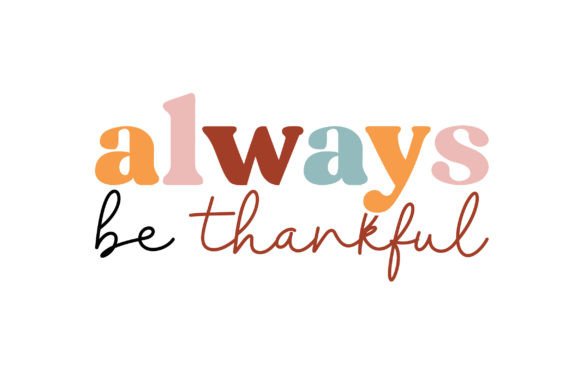
The visual personality of Always Be Thankful lands somewhere between a vintage diner sign and a folk art sampler. The retro treatment gives it a lived-in feel, as if the phrase has been embroidered on kitchen towels for generations. That is a strong asset for anyone selling handmade products at craft fairs or on Etsy. Buyers respond to designs that feel both nostalgic and fresh. The shape of the design is compact enough to sit neatly on a tote bag design or the chest of a sweatshirt, but it also has enough detail to hold its own on a larger piece like an apron or a pillow cover. I immediately thought of a cream-colored canvas tote with dark brown or burnt orange thread. That combination would let the retro vibe shine without competing with the fabric.
For anyone running a craft business, the mood of this design is a practical advantage. It is cheerful without being loud. It is sentimental without being saccharine. That means it can appeal to customers shopping for holiday gifts, Thanksgiving hostess presents, or even personalized items for autumn weddings. The design sits naturally in the Graphics category because it functions as a versatile layout element, but it also works beautifully as a standalone piece of machine embroidery design. The key is understanding how its visual weight and detail level translate into thread.
Real-Use Scenario: Stitching a Custom Tote for a Holiday Market
Last month, I was preparing a batch of holiday market products and decided to test Always Be Thankful on a mid-weight canvas tote. I wanted something that would feel substantial but not heavy, and that would hold the stitch detail cleanly. I used a medium-weight cutaway stabilizer and a 60-weight bobbin thread to keep the back neat. The design stitched out with good clarity. The satin stitch elements in the lettering had a nice sheen, and the fill stitch areas in the retro motifs were dense enough to look rich without feeling stiff. I tested it in a warm amber thread color against a natural canvas background, and the contrast was strong. The tote sold within an hour of the market opening. The customer said she was buying it for her sister who "collects anything that says thank you but looks like it belongs in a 1970s kitchen." That is exactly the audience this design reaches.
I have since stitched it on a heather grey sweatshirt using a deep olive green thread, and on a linen apron with a rust-colored thread. Every version has looked intentional. If you are a small shop product maker or an Etsy seller looking for a handmade product that works across multiple substrates, this design earns its place in your active files.
Performance Across Apparel and Home Goods
The real test of any embroidery file is how it behaves when you move it from one product type to another. Always Be Thankful performs well on custom apparel like sweatshirts and t-shirts, especially when you match the thread color to the garment's tone. On a dark fabric, I recommend using a lighter thread with good opacity, or testing a white or cream underlay to prevent the background from showing through the satin stitch. On light fabrics, the design reads clearly with almost any mid-to-dark thread color.
For baby embroidery or children's items, the retro style actually works well if you scale it down slightly and use softer thread colors. I stitched it on a small linen bib in a pale peach thread, and the result was charming without being too grown-up in feel. For holiday embroidery projects like kitchen towels or pillow covers, the design holds up to frequent washing if you use a quality stabilizer and a tight running stitch underlay. I would recommend a no-show mesh stabilizer for items that will be washed often, especially if you are using a fill stitch with moderate density.
If you are producing embroidered patch items, this design works well as a patch because its lettering is not too thin. The retro shapes give you enough material to sew around without losing detail. I would avoid using it on very small hoop size projects under four inches wide, because the lettering and decorative elements need room to breathe. On a cap or a curved surface like a beanie, you may need to adjust the placement so the design does not wrap awkwardly around the curve. Test it on a practice cap first.
Where to Use Careful Judgment
No design is perfect for every surface, and Always Be Thankful has a few natural limits. On textured fabrics like heavy fleece or bouclé, the satin stitch lettering can lose its crisp edge. I recommend using a dense underlay and a slightly tighter stitch length to keep the letters readable. On stretchy fabric like jersey knit, you will need a cutaway stabilizer and possibly a light temporary adhesive spray to prevent the design from pulling or puckering. Test a sample before stitching a final product.
For dark fabric, be mindful of thread coverage. The retro motifs include some open areas that rely on negative space. If the fabric is very dark and the thread is not opaque enough, the design can look muddy. I suggest stitching a test on the actual fabric you plan to use, or creating a printable mockup in black and white to check the contrast before you commit. For digital product sellers who offer design assets or embroidery files to customers, I would include a usage note about fabric contrast and recommended stabilizer types. That kind of practical guidance builds trust with your buyers.
Visual Appeal, Product Value, and Customer Trust
In my experience, the designs that sell best are the ones that look like they belong on the product. Always Be Thankful has a natural home on anything that feels cozy, handmade, and slightly nostalgic. When a customer sees a finished item with this design, they do not see a generic graphic. They see a thoughtful personalized gift or a boutique-quality piece of custom apparel. That perception directly affects product value. A tote or sweatshirt with this design can reasonably be priced at a premium because the design itself looks curated, not slapped on.
For small business owners and creative entrepreneurs, using a design with strong visual personality helps establish brand consistency. If your shop leans into retro or vintage aesthetics, this design reinforces that identity every time someone sees it. It also has strong giftability. Buyers looking for Thanksgiving hostess gifts, autumn wedding favors, or holiday presents for a friend who loves fall will recognize the thoughtfulness in the design. That translates to repeat customers and word-of-mouth referrals.
Practical Designer Notes Before You Stitch
Before you run your first production piece, here are the checks I always run with a new digital embroidery file like Always Be Thankful. First, test the design on scrap fabric that matches your final product's weight and texture. Check thread color contrast in both natural and artificial light. Review the stitch density in your software if possible. If the density feels high in the fill stitch areas, consider a lighter stabilizer to avoid puckering. Confirm your hoop size is large enough to accommodate the full design without crowding the edges. Inspect small details, especially the thinner parts of the lettering, to make sure they will read clearly at your intended scale.
I also recommend testing the design in a black and white mockup to see how the negative space functions. Compare it on a light background and a dark background. That simple exercise will save you from stitching a piece that looks great on screen but disappears on fabric. Use a proper stabilizer for your fabric type. For knits, use a cutaway. For wovens, a tearaway may suffice, but test first. If you plan to sell finished items or commercial embroidery products using this design, confirm the licensing terms before you start production. If the license is not clearly stated in the product details, contact the seller. That step protects your craft business and your customers.
For Etsy sellers and small shop product makers, I suggest creating a printable mockup of the design on your most popular product types. A mockup helps customers visualize the finished item and reduces the chance of returns or dissatisfaction. If you are a digital product seller offering this as a design asset for other makers, include clear information about recommended fabric types, stabilizer choices, and thread colors. That kind of detail sets your shop apart from sellers who just list the file and move on.
Final Thoughts on the Always Be Thankful Design
Always Be Thankful is a design that rewards attention to detail. It is not a one-size-fits-all graphic, but for the right products and the right audience, it is a strong addition to any embroidery project library. Whether you are stitching a single personalized gift for a family member or producing a batch of handmade products for a holiday market, this design holds its own. The retro Thanksgiving mood gives it character, and the practical stitch performance makes it reliable. That combination is exactly what I look for when I recommend a file to other apparel decorators and creative entrepreneurs. It is a design that works in the real world, on real products, for real customers.
If you are still deciding whether to add this to your active files, I would say test it on one of your best-selling blanks. Stitch it out, hold it in your hands, and see how it feels. My guess is you will end up making more than one version. I know I did.