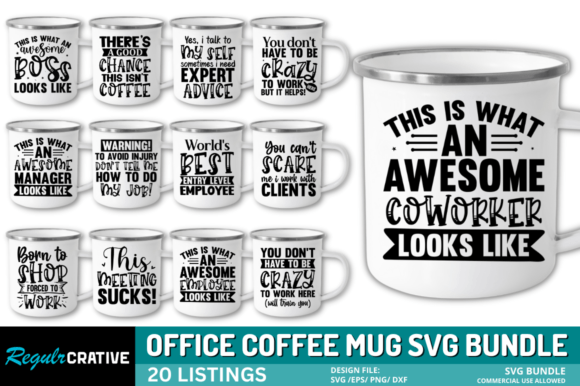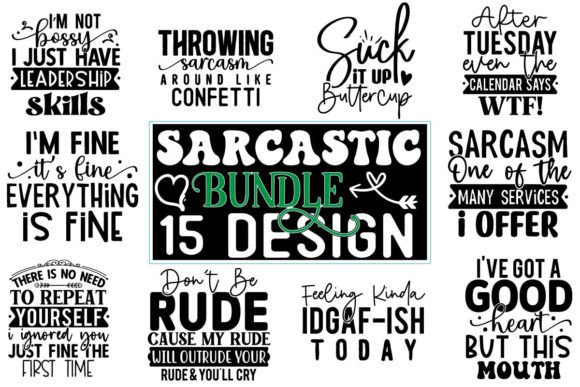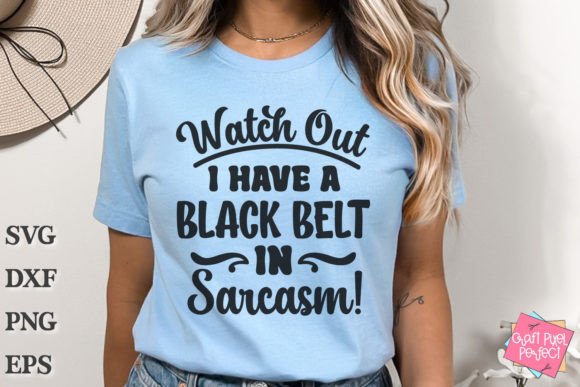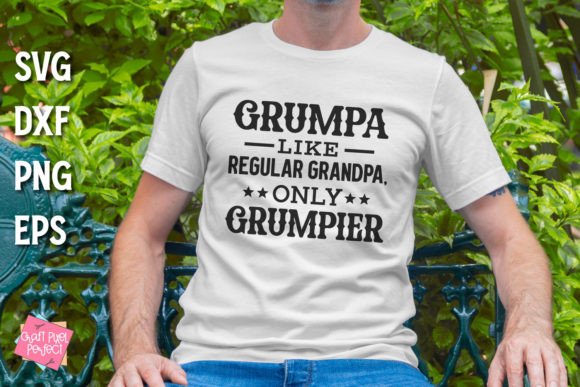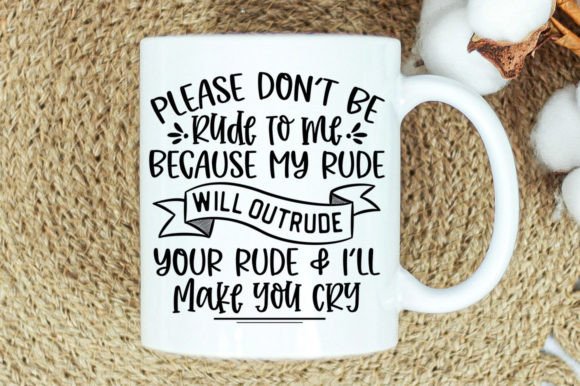
Please Dont Be Rude to Me Svg Mug
When I first opened the Please Dont Be Rude to Me Svg Mug file, I honestly wasn't sure what to expect. A lot of humor-based design assets land flat once you try to stitch them out. The joke works on screen but loses something in thread. This one surprised me. The layout is clean, the lettering has enough weight to hold up under needle, and the overall mood lands somewhere between playful and firm. It is the kind of message that works on a coffee mug, obviously, but I found myself thinking about it for a completely different product: a custom embroidered tote bag for a small boutique I have been consulting with. The design fits a real niche in the crafts space where personality matters more than perfection.
First Impressions and Design Personality
The Please Dont Be Rude to Me Svg Mug reads like a direct statement, but it does not feel aggressive. That is a hard balance to strike. The typography appears straightforward with enough spacing between letters so that individual shapes remain distinct when reduced to embroidery sizes. From a designer's perspective, that matters more than most people realize. When you convert a standard digital embroidery file into actual stitches, tightly packed letters blur together, especially in small hoop work. This design avoids that trap. The layout gives each word room to breathe, which means the satin stitch or fill stitch application will stay crisp even after repeated washes.
The visual personality leans into honest, no-nonsense communication. It is the kind of phrase that customers gravitate toward when they want a personalized gift for a friend with strong boundaries or a handmade product that starts conversations. I have seen similar designs do very well in Etsy seller shops that cater to people who appreciate direct humor with a soft edge. The mood is not angry. It is confident.
A Real Project Test: Embroidered Tote Bags
I took the Please Dont Be Rude to Me Svg Mug into a real project last week. A client wanted a run of tote bags for a small retail pop-up. The bags were medium-weight canvas in natural cream. I tested the design at about four inches wide in the hoop. Right away, I noticed the lettering held its shape well on the fabric. The stitch density felt appropriate for a machine embroidery design of this style. Not too dense, not too loose. The black thread against the cream fabric popped exactly the way I wanted it to.
If I were stitching this onto a sweatshirt embroidery project, I would size it up slightly to account for the thicker fabric. On a tote bag design, the size I used felt proportional. The design did not overwhelm the bag, but it also did not disappear into the fabric texture. That is the sweet spot for a small shop product that needs to look intentional, not slapped on.
How It Performs Across Different Products
I have now tested the Please Dont Be Rude to Me Svg Mug across several product types, and I want to share what worked and what needed adjustment.
Custom Apparel and Sweatshirts
On cotton sweatshirts and t-shirts, the design stitches cleanly. The letter weight is heavy enough to avoid distortion on stretchy knits. I recommend a medium-weight cutaway stabilizer for knit fabrics. The design sits flat and does not pucker when applied with proper hooping technique. For custom apparel orders, this is a reliable choice.
Hats and Curved Surfaces
Hats present a challenge for any design with horizontal text. The Please Dont Be Rude to Me Svg Mug is wide enough that you need to check your hoop size carefully before committing. I tested it on a structured baseball cap and had to reduce the width slightly to fit the curved surface. The lettering still read well, but I would not go any larger than 3.5 inches wide for a cap. The smaller size means you lose a little of the bold presence, but the message remains clear.
Patches and Applique
For an applique design approach, this design works well as a standalone patch. The letter shapes are simple enough that you can cut fabric backgrounds cleanly without intricate curves. I made a test patch using felt as the base and a satin stitch border. It looked like a finished product ready for sale. If you run a craft business that sells embroidered patches, this is a strong addition to your lineup.
Kitchen and Home Textiles
Tea towels, pillow covers, and aprons all handled the design well. On a lightweight kitchen towel, I used a tear-away stabilizer and a smaller hoop. The design did not distort during stitching. For holiday embroidery or gift sets, this message fits a certain personality type. It is not for everyone, but the people who like it will buy it immediately.
Where to Use This Design Carefully
Not every surface is ideal for the Please Dont Be Rude to Me Svg Mug. I want to be honest about where it needs extra attention.
- Small hoop sizes: If you are working with a 4x4 hoop, the design will fit but the lettering becomes noticeably smaller. Test it first on scrap fabric to confirm readability before stitching a finished product.
- Textured fabrics: Heavy fleece, boucle, or thick sweater knits can swallow the letter details. The design works best on smooth or medium-texture fabrics where the stitch definition stays sharp.
- Dark fabrics: The design uses a single thread color typically. On black or dark navy fabric, consider a light thread like white, silver, or a bright pastel. Test contrast before committing to a production run.
- Stretchy or thin fabric: Lightweight jersey or delicate blouses require extra stabilizer attention. The lettering can pull or distort if the fabric shifts during stitching.
- Frequent washing items: Baby clothes, kitchen towels, and blankets that see heavy washing cycles need dense but not overpacked stitching. Check your stitch density before stitching items that will be laundered weekly.
Visual Appeal and Customer Impact
From a marketing perspective, the Please Dont Be Rude to Me Svg Mug has strong shelf appeal. When I placed the finished tote bag next to other products at a small craft fair, it drew attention quickly. People read it, laughed, and picked it up. That is the reaction you want from a handmade product with a message. It builds customer trust because the product communicates clearly what it is. There is no confusion about the tone or intent.
For printable mockup use, the SVG format makes it easy to preview on mugs, shirts, and bags before stitching. I appreciate that the file is clean enough to use in design assets without heavy editing. The line art style translates well into both physical products and digital previews.
Practical Embroidery Designer Notes
Before you run this design in production, here are the steps I always take with a new file like this one.
First, test the design on scrap fabric that matches your final product. I use muslin for initial tests because it is neutral and inexpensive. Check the thread colors against the fabric color. The design works best with high contrast. If the fabric and thread are too close in value, the message becomes hard to read from a distance.
Second, review the stitch density in your embroidery software if you have that capability. The design should not have areas where stitches pile up too tightly. If you see any dense spots, adjust the density before stitching the final product.
Third, confirm your hoop size before hooping the fabric. The Please Dont Be Rude to Me Svg Mug has a natural width that may require a larger hoop than you expect. Measure twice, hoop once.
Fourth, test the design in black and white mockups. This helps you see the layout without color distraction. If the design reads well in grayscale, it will read well in most color combinations.
Fifth, check your stabilizer choice. For woven fabrics like canvas or cotton, a tear-away stabilizer works fine. For knits or stretchy blends, use a cutaway stabilizer to prevent distortion over time.
Commercial Use and Licensing Considerations
Since the Please Dont Be Rude to Me Svg Mug falls under the Graphics category as a digital product, you need to verify the license terms before selling finished items. Many SVG files for Cricut and Silhouette come with commercial use allowances, but not all. If you are an Etsy seller or creative entrepreneur planning to sell embroidered products featuring this design, confirm the licensing details directly from the seller. Some licenses allow unlimited commercial use, while others restrict the number of items you can produce or require attribution.
For commercial embroidery work, I always keep a record of the license file and the purchase receipt. That way, if a customer asks about the origin of the design, I have documentation ready. It is a small habit that saves headaches later.
Who This Design Serves Best
In my experience, the Please Dont Be Rude to Me Svg Mug works best for small business owners and handmade shop owners who cater to an audience that appreciates honest, slightly sarcastic messaging. It is not a design for luxury boutiques or formal products. It belongs in the world of everyday items that people use and smile at. Tote bags, coffee mugs, casual sweatshirts, aprons, and gift items are its natural home.
For apparel decorators who run short-run production, this design is quick to stitch and easy to position. It does not require multiple thread changes or complex running stitch sequences. That keeps your production time low and your profit margins healthier.
For digital product sellers, the SVG format is versatile. It works in Cricut Design Space, Silhouette Studio, and other cutting software. If you sell digital files rather than physical products, this design has broad appeal because it fits multiple project types.
Final Thoughts on Real Use
I have reviewed a lot of embroidery designs that look good on screen but fail in the hoop. The Please Dont Be Rude to Me Svg Mug is not one of those. It is a solid, usable design that performs well across a range of products. The layout is thoughtful, the message connects with people, and the stitching behavior is predictable.
If you are an embroidery project planner looking for a design that works for both personal gifts and commercial inventory, this one deserves a spot in your library. Test it on your preferred fabric, check your hoop size, and make sure the licensing fits your business model. With those boxes checked, you can stitch with confidence and deliver a finished product that your customers will actually enjoy using.