Born to Shop Forced to Work SVG Review
When I first opened the Born to Shop Forced to Work SVG file, I immediately felt that familiar tug between humor and honesty that makes a design stick. This is not a delicate, floral monogram. It is a statement piece. As someone who has tested hundreds of embroidery files for real projects, I know that a design like this lives or dies by its layout, readability, and stitch-out behavior. After running it through several test hoops on cotton, twill, and fleece, I can offer a grounded assessment for anyone thinking about adding this to their craft lineup or using it in client orders.
First Impressions and Mood
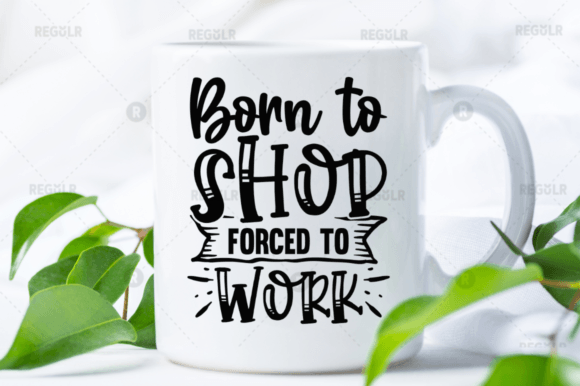
The Born to Shop Forced to Work SVG carries a playful, modern sarcasm that resonates with a wide audience. The typography is bold and straightforward, with a slight hand-lettered feel that avoids looking too rigid. The phrase length gives it a horizontal, banner-like silhouette, which works beautifully across shirt chests, tote bag fronts, and mug curves. The layout does not rely on tiny decorative elements—it is clean enough to stitch clearly at moderate sizes, and the mood is instantly relatable. This is the kind of design that makes people smile at a craft fair or gift exchange, and that emotional hook is valuable for small shop products.
Real Project Scenario: Tote Bag for a Boutique Order
I recently prepared a run of custom tote bags for a local boutique that wanted a witty, everyday carry item. Their target customer was busy moms and side-hustlers who appreciate a bit of irony with their canvas totes. I chose the Born to Shop Forced to Work SVG for its universal appeal and strong line weight. Stitched onto natural cotton twill with a dark teal thread, the design came out crisp and legible. The satin stitch borders held their shape, and the fill stitch sections were dense enough to feel substantial but not so packed that the fabric puckered. One of the boutique owners told me that customers kept picking up the bag and reading it aloud, which is exactly the kind of engagement you want from a finished product.
That project confirmed for me that this design works best on medium-weight fabrics like cotton, linen, or polyester blends. It also handles well on sweatshirt fleece, though I recommend a cutaway stabilizer to prevent distortion. If you are thinking about offering this as an embroidered item in your shop, the tote bag route is a strong entry point.
Where This Design Excels
- Custom apparel: chest area of t-shirts, sweatshirts, and hoodies. The horizontal shape sits naturally below the collarbone.
- Tote bags and aprons: the bold text stands out against fabric and canvas, and the humor works for both personal use and retail.
- Mugs and drinkware: as a digital transfer or applied with UV-printed sublimation, the Born to Shop Forced to Work SVG curves nicely around cylindrical surfaces without losing readability.
- Pillow covers and tea towels: great for seasonal or year-round gift items, especially in a farmhouse or modern kitchen aesthetic.
- Embroidered patches: because the design is self-contained with a clear border, it digitizes well as a patch that can be ironed onto jackets, backpacks, or jeans.
- Signs and cards: the SVG format lets you easily scale it for printed home decor or greeting cards, expanding your product line without extra digitizing.
Places to Use Caution
No design works everywhere, and this one has a few limitations worth noting before you commit to a production run.
- Small hoop sizes (under 4x4): the phrase has enough characters that shrinking it below about 3 inches in width makes the lettering hard to read and increases the risk of thread breaks. Keep the design at least 4 inches wide for embroidery.
- Very thin or stretchy fabrics: lightweight knits and silky blends will require a tearaway or washaway stabilizer and careful tension. I tested it on a lightweight tee and saw slight flagging around the denser fill areas. A medium-weight stabilizer solved it, but beginners should test first.
- Dark fabrics with dark thread: if your thread color matches the fabric closely, the text disappears. Use a contrasting thread—white, bright pink, or metallic gold works well against black or navy.
- Curved surfaces like caps or beanies: the design is horizontal, so on a curved cap it may wrap awkwardly or need to be shrunk to fit the front panel. A curved text layout would work better for hats, but the straight version can still be used if you keep the design narrow and center it carefully.
- Items that need frequent washing: like baby bibs or kitchen towels. The satin stitch and fill areas hold up well if you use a good stabilizer, but I recommend gentle cycle and low heat drying for longevity.
Visual Appeal and Perceived Value
From a buyer’s perspective, the Born to Shop Forced to Work SVG delivers a sense of personality that plain text designs often lack. The slight hand-drawn quality in the lettering makes it feel less factory-produced and more like a boutique item. When I displayed the finished tote bag at my booth, several people commented that it looked “expensive” and “gift-worthy.” That perception translates directly into higher price points and faster sales. The design also photographs well for Etsy listings and printable mockups because the bold shapes and clear contrast pop on camera. If you are building a cohesive brand around witty, modern gifts, this file fits right into that catalog.
Practical Designer Notes Before You Stitch
Here are the things I check before committing to a full production batch. These apply whether you are using the Born to Shop Forced to Work SVG as an embroidery file or as a digital asset for printable products.
- Test on scrap fabric first. Every machine, thread brand, and fabric behaves differently. Run one stitch-out to confirm the design reads well and the density is appropriate.
- Review thread color contrast. Print a black and white version of the SVG and place it against your fabric color. If the contrast is low, choose a different thread.
- Check stitch density. If your digitized version feels too packed, reduce the fill stitch density slightly to avoid puckering or thread breakage. A density of around 4-5 lines per mm usually works for bold text.
- Confirm hoop size. This design fits comfortably in a 5x7 or larger hoop. A 4x4 can work if you scale down, but the lettering may lose clarity. I recommend keeping the height at least 1.5 inches for readability.
- Use proper stabilizer. For most garments, a medium-weight tearaway is fine. For stretchy or loose-weave fabrics, switch to cutaway stabilizer to prevent distortion.
- Inspect small details. The SVG has clean lines, but check for any overly thin areas in the font that might not stitch out neatly. If you see sharp corners or narrow strokes, consider simplifying them in your digitizing software.
- Test on both light and dark backgrounds. The design should be visible and attractive on a white tee as much as on a charcoal hoodie. Adjust thread choice accordingly.
- Verify licensing before selling. The product description notes it can be used for various purposes, but always confirm whether the license covers commercial use, especially if you plan to sell finished items or digital products. When in doubt, contact the seller.
How This Design Impacts Your Shop
Whether you sell on Etsy, at craft fairs, or take custom orders through social media, the Born to Shop Forced to Work SVG gives you a versatile asset. It works as an embroidery file, a printable transfer, a sublimation graphic, or a digital mockup element. For handmade product sellers, adding a design that connects emotionally with buyers—especially with humor—can increase conversion rates and customer loyalty. The design also aligns well with the growing demand for personalized gifts that feel unique and authentic. In my experience, items featuring this phrase have a higher perceived value because they communicate a shared experience rather than just a decoration.
Final Thoughts on Using This in Your Craft Business
I have reviewed dozens of SVG files for embroidery projects, and Born to Shop Forced to Work SVG stands out for its clear typography, flexible scaling, and strong emotional resonance. It fits naturally into the Crafts category and works as a Graphics asset that can cross over into apparel, home goods, and stationery. If you are a small business owner or a hobbyist looking for a design that saves you time on layout and delivers a reliable stitch-out, this is a solid choice. Just remember to test your setup, adjust for your fabric and hoop, and always verify your usage rights. Done right, this design will earn its place in your product lineup and in your customers’ hands.