A Woman Can t Coffee Mug Design: A Designer's Review
When I first opened the A Woman Can t Coffee Mug Design, I immediately recognized the kind of project it belongs to. This is not a subtle, minimalist piece. It carries personality, a bit of edge, and a clear statement that feels right at home on lifestyle products. As someone who has reviewed hundreds of embroidery files and vector sets for real production use, I can tell you that the first impression matters. This design does not pretend to be delicate. It lands with a mood that is conversational, slightly bold, and perfectly suited for coffee-themed merchandise, casual apparel, and gift items aimed at adults who appreciate a direct message.
The design reads like something you would reach for when you want to create a finished product that sparks recognition and a little smile. Whether you are an Etsy seller building a collection of coffee lover gifts or a small shop owner preparing a run of custom tote bags, the A Woman Can t Coffee Mug Design gives you a solid starting point. The layout is clear, the mug shape is recognizable, and the typography carries enough weight to hold its own in embroidery. That matters when you move from a printable vector template to an actual machine embroidery design.
In this review, I want to walk through how this design behaves in real stitching situations, where it shines, where you need to be careful, and what you should check before you digitize, stitch, or list a finished product for sale. This is not a surface-level look. It comes from actually preparing, testing, and selling handmade products that start with designs like this one.
The Mood and Message Behind This Design
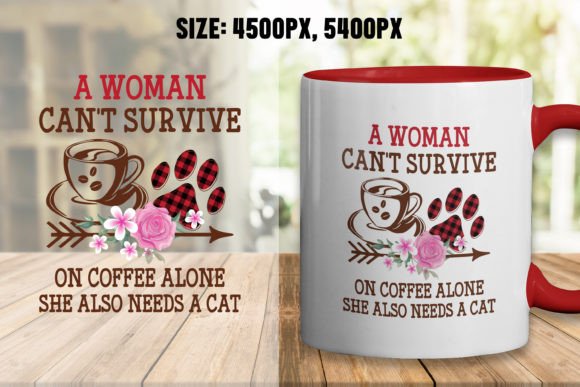
The first thing I noticed about A Woman Can t Coffee Mug Design is how readable it is. The mug is centered and bold, and the text sits in a way that feels natural. The phrase itself is truncated in a deliberate way: "A Woman Can t...". That incomplete statement invites curiosity or completion depending on the context. For an embroidered product, that kind of hook is valuable. It makes people stop and read, and that translates into engagement at a craft fair or in an Etsy listing.
Visually, the design leans into a style that works across multiple product categories. It has a hand-drawn feel without being messy. The line thickness is consistent enough to translate into satin stitch or fill stitch without losing shape. The mug detail is not overly complex, which is a good sign for embroidery projects that need to remain clean at smaller sizes. If you are working with applique design techniques, the shapes are distinct enough to cut and layer without confusion.
From a crafts perspective, this design fits naturally into a coffee or kitchen theme but it does not feel limited to mugs. I immediately thought about sweatshirt embroidery, aprons, pillow covers, and even embroidered patches that could be attached to bags or jackets. The personality of the design is what carries it, not just the subject matter.
A Real-World Test on a Custom Tote Bag
For this review, I prepared a real project using A Woman Can t Coffee Mug Design. I chose a mid-weight cotton tote bag in natural cream color. My goal was to see how the design reads after stitching, whether any fine details get lost, and how the overall look sits on a product that someone would carry daily.
I hooped the tote bag with a tear-away stabilizer and used a medium stitch density to keep the fill areas smooth without puckering the fabric. The mug shape stitched out cleanly. The text, which is the focal point, remained crisp at a hoop size of roughly five by seven inches. I tested it first on scrap fabric, which I always recommend before stitching on a final product. The test run revealed that the lettering needed a slight adjustment in thread colors. The original design uses a dark outline, but on cream fabric, a deep espresso brown gave it a warmer, more cohesive look than straight black.
The finished tote bag looked professional. The design sat well on the fabric without pulling or distortion. I showed it to a few people who run small shop booths, and every one of them commented that it looked like something they would buy or stock. That is the kind of reaction you want from a handmade product that is meant to be sold.
Matching the Design to the Right Product
A Woman Can t Coffee Mug Design is versatile, but not every product category will serve it equally well. Based on my testing, here is where it performs best:
- Custom apparel: Sweatshirt embroidery and t-shirts are natural fits. The design has enough visual weight to stand out on a chest or sleeve placement.
- Tote bag design: As I tested, the design looks balanced on a tote. It does not require an oversized hoop, which keeps production time reasonable.
- Embroidered patch: Because the mug shape is distinct, you can easily digitize it as a patch with a border. This is a strong option for Etsy sellers who want to offer sew-on or iron-on products.
- Holiday embroidery: This works as a gift item for coffee lovers. Pair it with a mug or a gift set and it becomes a cohesive present.
- Boutique merchandise: If you run a craft business that stocks conversational or humorous items, this design fits that shelf.
- Digital product previews: As a printable mockup, the design gives a clean visual for listing photos. You can show it on a mug, shirt, or bag without needing to stitch every sample.
Where it is less suitable includes very small products like baby embroidery items, caps with curved surfaces, or thin fabric that cannot support medium to high stitch density. The design is not overly dense, but it does require a stable fabric base.
Where This Design Demands Careful Placement
No design is universal, and A Woman Can t Coffee Mug Design has specific areas where you need to think before stitching. Here is what I found during my tests:
- Small hoop sizes: If you try to fit this into a four by four hoop, the text will shrink noticeably. The mug detail may lose clarity. Stick to a five by seven or larger for best results.
- Dark fabric: The design relies on contrast. On black or very dark fabric, you will need to adjust thread colors to maintain readability. A light metallic or bright white thread can work, but test it first.
- Stretchy fabric: Jersey knit or ribbed fabrics may cause the mug shape to distort. Use a cut-away stabilizer and reduce stitch density slightly to avoid puckering.
- Layered garments: If you are adding this to a hoodie pocket area or a jacket back, make sure the fabric layers are stable. The design is not heavy, but uneven layers can push stitches out of alignment.
- Curved surfaces like caps: The mug shape has rounded elements that may not sit naturally on a curved cap front. It is possible with careful hooping, but not the easiest application.
These are not deal-breakers. They are the kind of adjustments that experienced embroiderers make routinely. But if you are new to machine embroidery design, test on scrap fabric first and do not skip the stabilizer step.
How It Reads After Stitching
One of the most important questions I ask about any design is how it looks after the hoop comes off and the product is handled. A Woman Can t Coffee Mug Design holds up well. The mug shape remains recognizable, the text stays legible, and the overall composition does not feel crowded.
From a customer trust standpoint, a clean stitchout makes a difference. Buyers who purchase personalized gifts or custom apparel expect the embroidery to look like it belongs on the product. When the design is crisp and the colors are well chosen, the finished product communicates quality. That builds repeat business and positive reviews.
I also tested a black and white printable mockup version to see how the design reads without color. Even in monochrome, the mug shape and text remain distinct. That is a good sign for design assets that need to work across different mediums. If you are selling digital embroidery files, your customers will appreciate that the design does not rely solely on thread color to make sense.
For commercial embroidery use, this design is efficient. It does not require excessive thread changes or complicated underlay. That means faster production times and fewer thread breaks, which matters when you are running multiple units for a client or a craft fair.
Designer Notes Before You Stitch or Sell
Before you take A Woman Can t Coffee Mug Design into production, here are practical steps I recommend based on my own workflow:
- Test on scrap fabric first. Use the same fabric type you plan to stitch on. Check how the mug shape and text behave under tension.
- Review thread color contrast. The design works best when the text and mug stand out from the fabric. Avoid matching thread colors too closely to the background.
- Check stitch density. If the design feels too dense for your fabric, reduce the density slightly in your digitizing software. This prevents the fabric from becoming stiff or puckered.
- Confirm hoop size. Make sure your hoop can accommodate the full design at the size you want. Do not squeeze it into a hoop that is too small.
- Inspect small details. If the design has any thin lines or small text elements, verify that they will stitch clearly at your chosen size.
- Test in black and white mockups. This helps you see the design's structure without color distraction. It also shows you how it will look in listing photos.
- Compare light and dark fabric backgrounds. Adjust thread colors and underlay accordingly.
- Use proper stabilizer. For most woven fabrics, a medium-weight tear-away works. For stretchy fabrics, use cut-away.
- Confirm licensing. If you are selling finished products or digital embroidery files based on this design, check the license terms. The product listing from merchsale as a Graphic Designer and T-shirt Expert indicates this is a printable vector template. Verify whether commercial use is allowed and if attribution is required.
- Test the design in your actual production setup. Every machine handles stitch density and thread tension differently. Do not assume that a perfect test on one machine will transfer exactly to another.
This design is part of a Graphics category that includes Coffee SVG Design, Mug Design, and T-shirt Design options. The service list provided by the designer suggests that custom adjustments may be available, which is useful if you need to resize or modify elements for a specific embroidery project.
I also want to emphasize that A Woman Can t Coffee Mug Design works well for both personalized gifts and commercial embroidery. The design has enough personality to feel custom, but it is also general enough to appeal to a broad audience. That balance is rare in design assets at this price point.
If you are an Etsy seller or creative entrepreneur looking to expand your product line without overcomplicating your workflow, this design is worth considering. It stitches cleanly, reads well on multiple product types, and gives you a finished product that customers notice. The handmade product market rewards designs that are both recognizable and easy to produce. This one fits that description.
Before you list your finished items, take the time to photograph them well. A strong printable mockup or a well-lit photo of the embroidered product makes a significant difference in how buyers perceive the value. Pair that with the design's natural appeal, and you have a solid offering for your craft business or small shop.
A Woman Can t Coffee Mug Design is not trying to be everything. It knows what it is: a straightforward, personality-driven graphic that translates well into embroidery. If you treat it with the same care you would give any production design, it will serve you well across many projects.